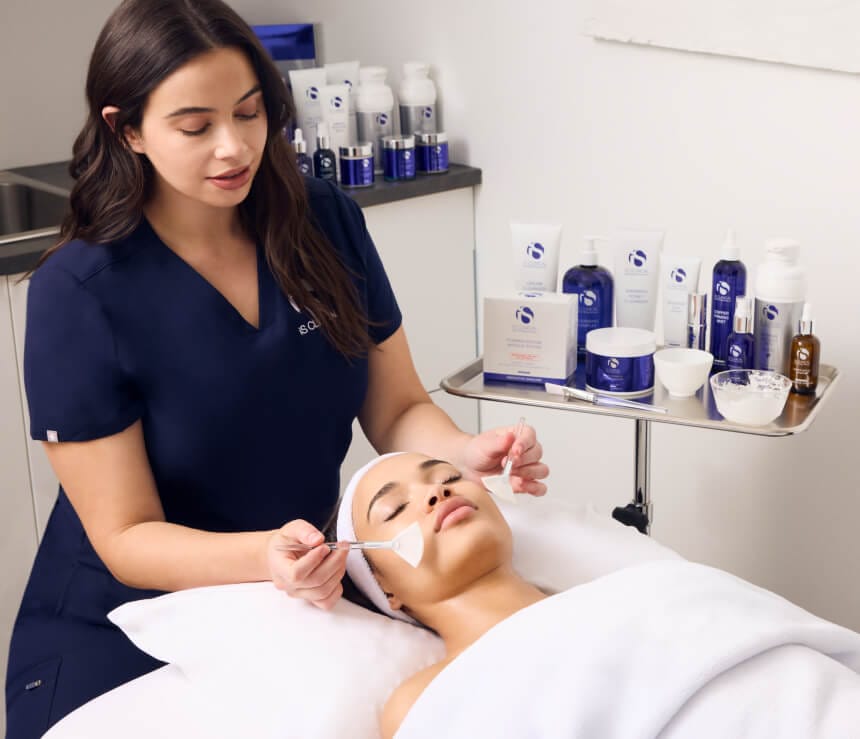
CourseImage_Sunscreen_1920x1080
iS Clinical / Courses / Sunscreen

Sunscreen

This course reviews sunscreen formulation basics in cosmetic skincare, including the differences between mineral, chemical, and physical sunscreen agents. It also covers common selection considerations and how sunscreen products are positioned within daily skincare routines.
  • Length 5 minutes
  • Materials Videos
  • Certificate Certificate of Completion
  • Audience Aesthetic Professionals + Educators & Trainers + Students + iS Clinical Brand Partners
  • Level Intermediate

Course Content

Lesson 1: Understanding SPF as an Active Ingredient 1 Topic
Lesson Content
0% Complete 0/1 Steps
Sunscreen Selection
Lesson 2: Double Defense 1 Topic
Lesson Content
0% Complete 0/1 Steps
Antioxidant + SPF = Double Defense

What To Expect

  • On-demand content
  • Learn at your own pace
  • Get a certificate
  • Become the expert!

What You’ll Learn

  • The science behind sunscreen and how it protects the skin from UV damage
  • Differences between chemical and physical sunscreen blockers
  • How to select the best sunscreen for different skin types and needs
  • The benefits of combining sunscreen with antioxidants for enhanced environmental defense

instructors

CDeHaven_900x900
MD, FACEP, Clinical Director at iS Clinical

Dr. Charlene DeHaven
MD, FACEP, Clinical Director at iS Clinical
Dr. Charlene DeHaven is a board-certified Internal Medicine physician and Clinical Director of Innovative Skincare, with over 20 years of experience in anti-aging, skincare product development, and age management, recognized internationally for her research, education, and media contributions.
CDeHaven_900x900
Dr. Charlene DeHaven
background
faq2

Frequently Asked Questions

Your questions answered about iS Clinical EDU and its resources for skincare professionals.

Chemical sunscreens absorb UV rays using organic compounds, while physical (mineral) sunscreens reflect them using minerals like zinc oxide and titanium dioxide. Both types can provide effective broad-spectrum protection when properly applied.

SPF, or Sun Protection Factor, measures how well a sunscreen protects against UVB rays, which cause sunburn. Higher SPF numbers indicate longer protection, but all sunscreens should be reapplied regularly for consistent defense.

A broad-spectrum sunscreen provides protection against both UVA and UVB rays. UVA rays contribute to visible signs of aging, while UVB rays primarily cause sunburn. Using broad-spectrum protection daily helps maintain healthy-looking skin.

The concept of double defense refers to the use of both antioxidants and sunscreen together as a combined approach to protecting the skin from the visible effects of environmental exposure. Antioxidants help defend against free radical damage that can occur even with sunscreen use, making the two work more effectively together than either would alone. This course explains the double defense philosophy and how to build it into client regimen recommendations.

Selecting the right sunscreen depends on skin type, lifestyle, and texture preference. For oily or acne-prone skin, lightweight matte finishes are ideal, while dry or mature skin benefits from hydrating formulations with antioxidants. Encourage consistent daily use and proper reapplication.

Join Thousands Advancing Their Expertise Through Aesthetic Education

Built by a trusted brand. Guided by science. 
Ready when you are.