
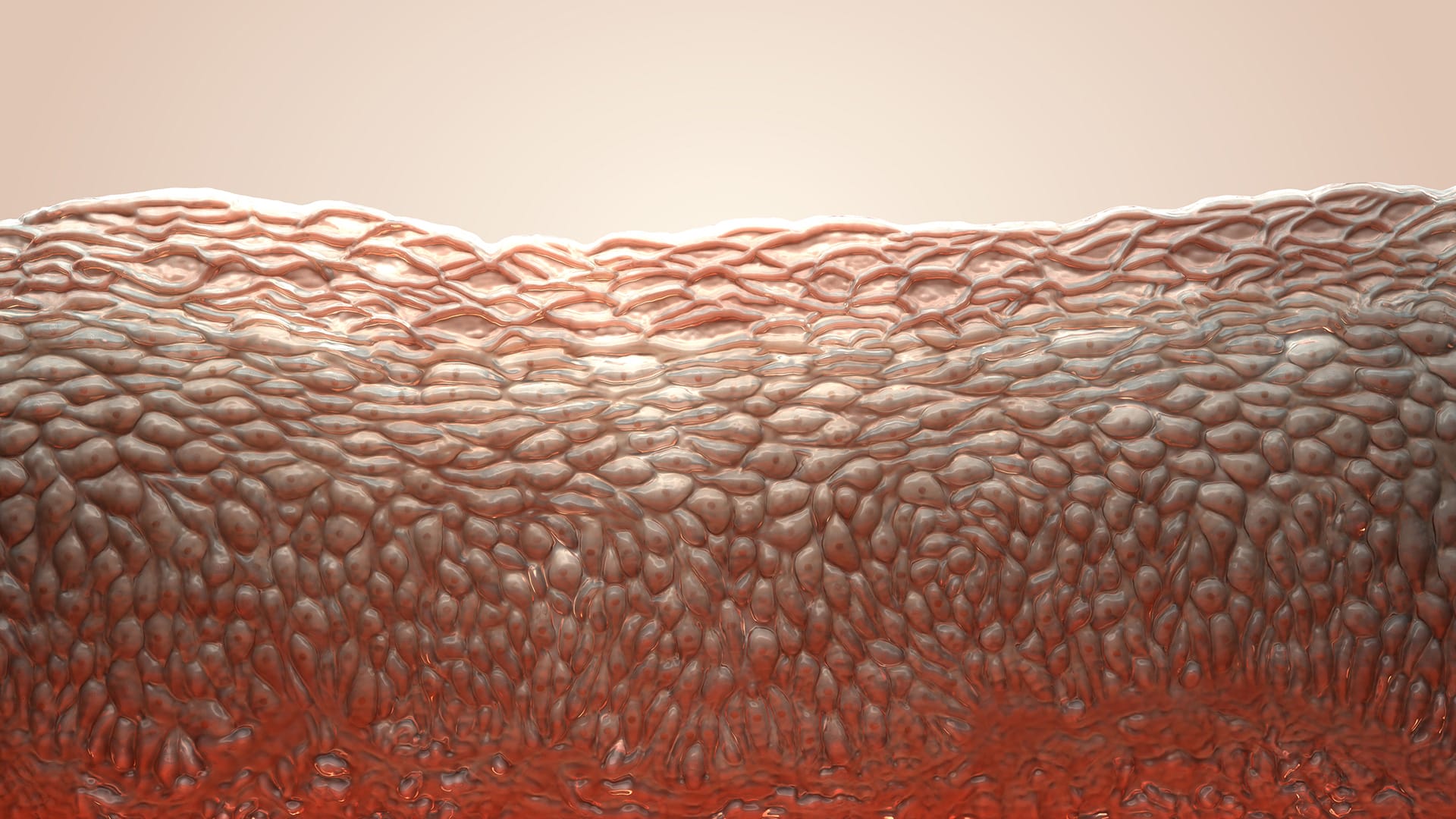
Skin 101
Build a foundational understanding of the skin’s anatomy and physiology. This course covers the layers of the skin, its key functions, and the role of the skin’s immune system in maintaining health and balance. Ideal for professionals seeking a solid clinical base to support advanced skincare knowledge.
Course Content
What To Expect
- On-demand content
- Learn at your own pace
- Get a certificate
- Become the expert!
What You’ll Learn
- An overview of the structure of the skin, including its primary layers and visible components
- An introduction to commonly referenced skin science concepts related to the epidermis and dermis
- How the skin is discussed in relation to appearance, comfort, and environmental exposure
- An overview of the skin barrier and protective concepts as they relate to maintaining healthy-looking skin
- Foundational knowledge designed to support professional practice in aesthetics
instructors

MD, FACEP, Clinical Director at iS Clinical
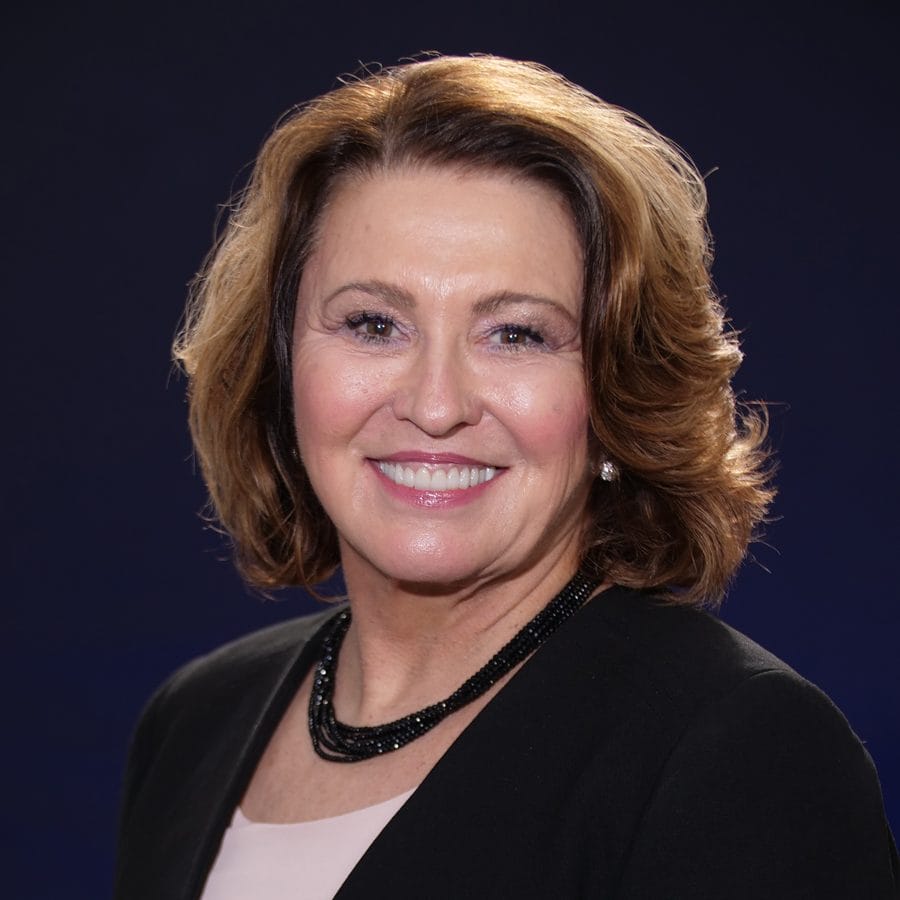
Dr. Charlene DeHaven is a board-certified Internal Medicine physician and Clinical Director of Innovative Skincare, with over 20 years of experience in anti-aging, skincare product development, and age management, recognized internationally for her research, education, and media contributions.
Dr. Charlene DeHaven

Frequently Asked Questions
Your questions answered about iS Clinical EDU and its resources for skincare professionals.