
Additional Ingredient Knowledge
This course explores key ingredients found in iS Clinical formulations and their role in modern skincare design. Topics include the function of alcohols in formulation, the use of peptides and bio-fermented actives, and the cosmetic benefits of botanicals such as White Willow Bark Extract and Bakuchiol. The course also reviews brightening ingredients like arbutin and how they are used to enhance the appearance of uneven skin tone. Blending nature-inspired ingredients with advanced cosmetic science, this course provides a clear, ingredient-focused overview for skincare professionals.
Course Content
What To Expect
- On-demand content
- Learn at your own pace
- Get a certificate
- Become the expert!
What You’ll Learn
- What different types of alcohols do in skincare products and why they’re used
- What stem cells are, how they’re used in skincare, and why some claims might be misleading
- How peptides help improve skin health and how iS Clinical includes them in their products
- The benefits of specific botanical ingredients like White Willow Bark, Arbutin, and Bakuchiol
instructors
MD, FACEP, Clinical Director at iS Clinical
Vice President, Global Corporate Account Development at iS Clinical
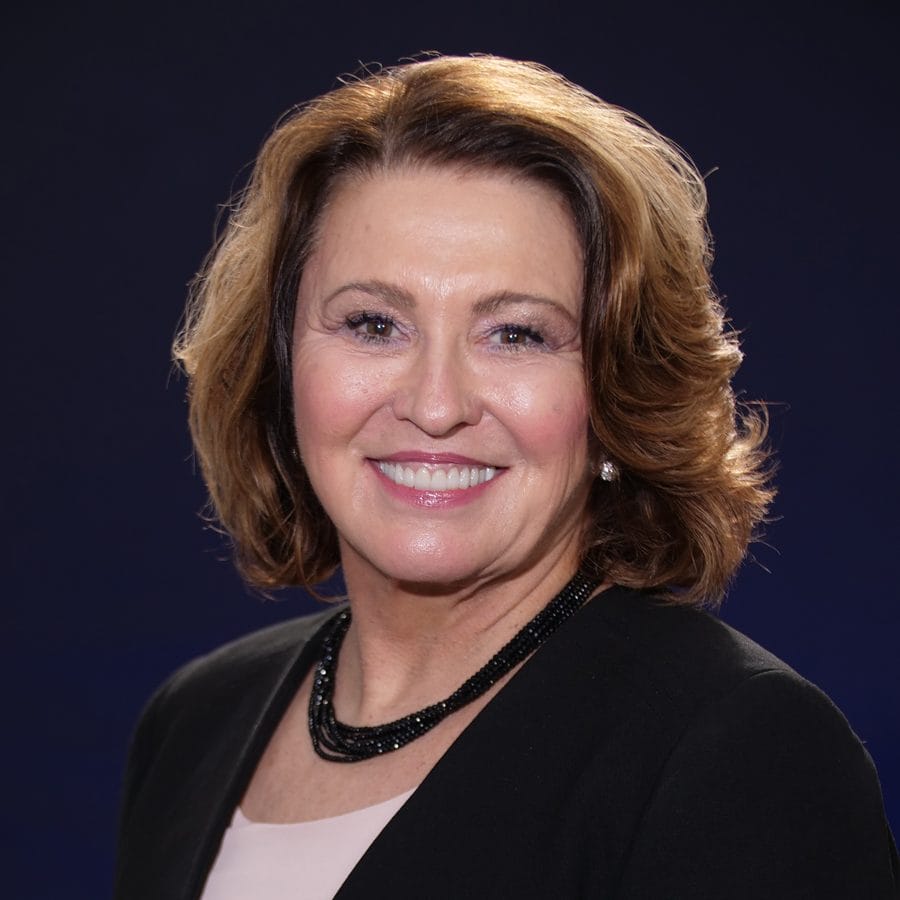
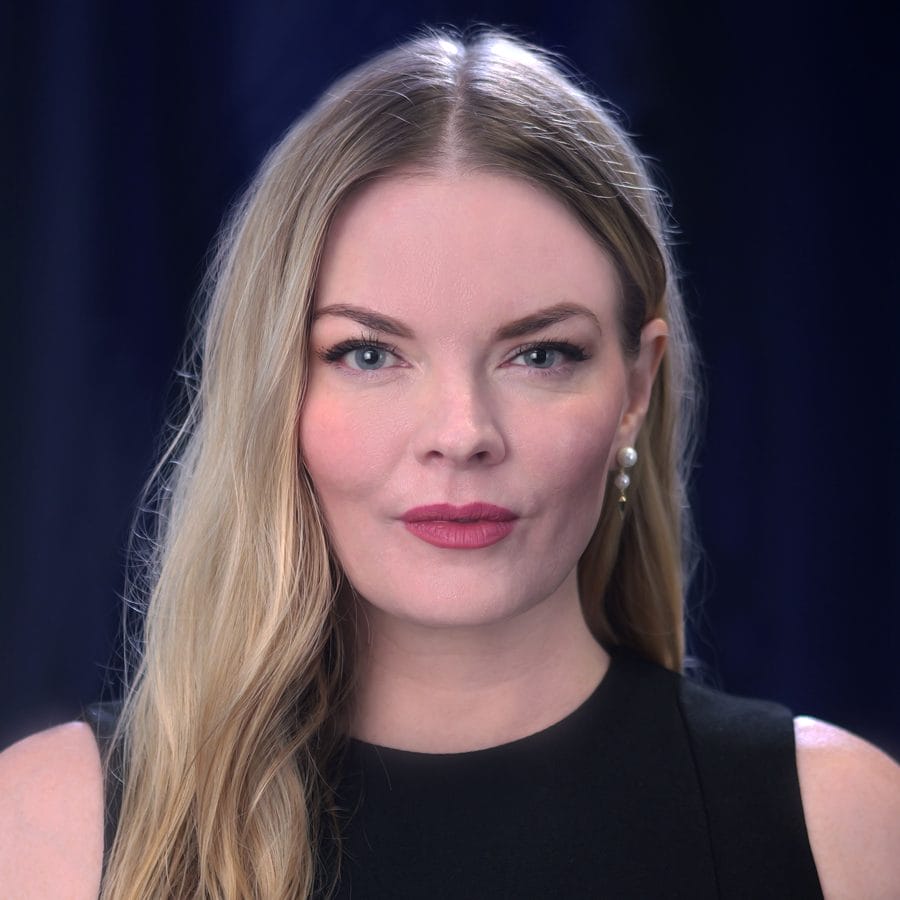
Dr. Charlene DeHaven is a board-certified Internal Medicine physician and Clinical Director of Innovative Skincare, with over 20 years of experience in anti-aging, skincare product development, and age management, recognized internationally for her research, education, and media contributions.
Dr. Charlene DeHaven
Molly Peters is the Senior Director of U.S. Sales for iS Clinical, overseeing sales, corporate accounts, and e-commerce, and is recognized for her strategic leadership, team development, and passion for building lasting relationships within the aesthetic industry.“Even though I use the word “sales”, I really never even think of it as that. What I always think about is patient care and education. It’s really important that we emphasize that by selling products to them. We’re really providing solutions to our patients.”
Molly Peters

Frequently Asked Questions
Your questions answered about iS Clinical EDU and its resources for skincare professionals.